
Understanding the Basics of Painting
Painting serves as a profound form of expression and creativity, with various mediums that can be utilized to create captivating artworks. Among the most common types of paint are acrylics, watercolors, and oils. Each medium possesses unique properties that influence both application techniques and the final appearance of the artwork. For instance, acrylic paint is known for its quick drying time and versatility, allowing artists to work at a rapid pace and create layered effects. Watercolor, on the other hand, offers a translucent quality that lends itself to soft and ethereal imagery, particularly when worked on wet surfaces. Oil paint is revered for its richness and depth of color, although it requires longer drying times, providing artists with the opportunity to blend colors seamlessly on the canvas.
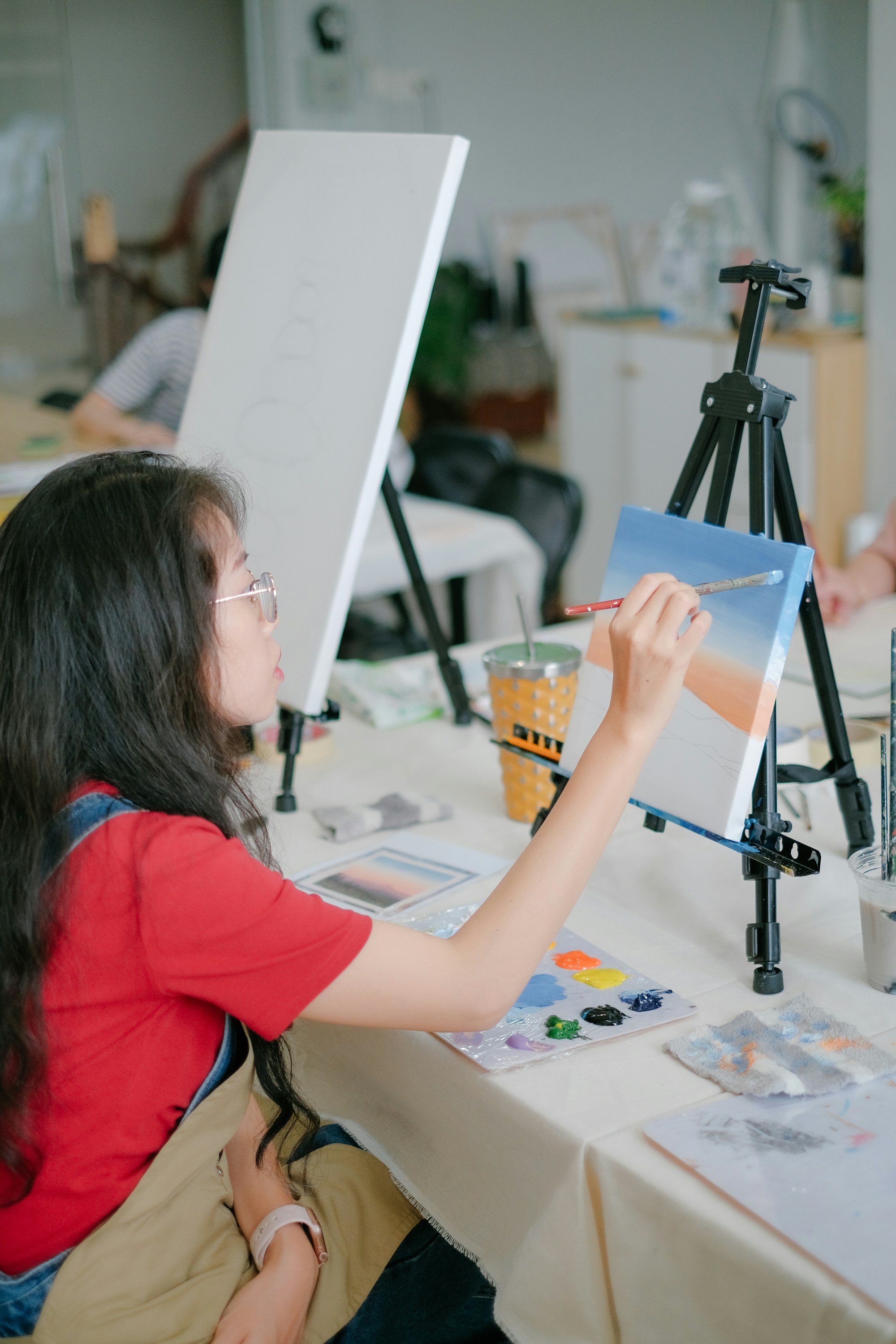
In addition to understanding the types of paint, aspiring artists must familiarize themselves with essential painting tools. Brushes, palettes, and canvases are fundamental items that influence the painting process. Brushes come in various shapes and sizes, each designed for different applications; flat brushes are ideal for bold strokes, while round brushes excel in detail work. Palettes serve as the workspace for mixing colors, while canvases provide a sturdy surface for the paint. The choice of canvas—whether stretched, wood panels, or paper—also significantly impacts the outcome of the painted piece.
Moreover, delving into the elements of color theory, composition, and lighting is crucial for beginners in mastering the art of painting. Color theory examines the relationships between colors and how they interact with one another, supporting the creation of harmonious color schemes in artworks. Composition refers to the arrangement of visual elements within a painting, guiding the viewer’s eye and creating a sense of balance. Lastly, understanding lighting effects enhances depth and dimension, fostering a realistic portrayal within a painted scene. By grasping these foundational concepts, aspiring artists can develop their skills and elevate their artistic endeavors effectively.
Techniques and Styles to Enhance Your Skills
As aspiring artists delve into the world of painting, understanding various techniques is crucial for enhancing their skills. One fundamental technique is blending, which involves smoothly transitioning between colors to create a soft, seamless effect. This method is particularly effective in portrait and landscape painting, where natural gradients are essential. Artists can utilize tools such as brushes or their fingers to achieve desired blends, allowing for a more organic appearance in their work.
Another important technique is glazing, which entails applying thin layers of transparent paint over dry layers. This approach not only enriches the color depth but also offers a luminous quality to the artwork. Glazing is often used in oil painting, allowing artists to build complex color palettes and fine-tune their compositions. The careful application of glazes requires patience but can result in striking visual effects, showcasing the importance of technique in painting.
Impasto is yet another dynamic technique that involves applying thick paint to the canvas, creating texture and dimension. This method allows for a physical presence in the artwork, inviting the viewer to engage more deeply. Notable artists such as Vincent van Gogh and Jackson Pollock have effectively utilized impasto to convey emotion and movement, demonstrating the potential for creativity within this style.
Beyond techniques, understanding various artistic styles can significantly influence an artist’s journey. Realism focuses on depicting subjects accurately and in detail, while impressionism emphasizes capturing light and movement through color and brushwork. Alternatively, abstract art encourages personal expression through non-representational forms. Exploring these styles enables artists to experiment and eventually discover their unique voice. Ultimately, embracing a combination of techniques and styles can lead to a fulfilling artistic practice, fostering both skill development and creative exploration.
The Creative Process: From Concept to Canvas
The journey of painting begins with a thoughtful ideation process, where aspiring artists explore their thoughts and emotions and translate them into visual concepts. The first step often involves brainstorming ideas, which may stem from personal experiences, nature, or even literature. It is beneficial to keep a sketchbook handy to capture fleeting inspirations or related imagery that can serve as references later in the painting process.
Once an idea begins to take shape, the next phase involves sketching. Creating preliminary sketches enables artists to visualize the composition and refine elements such as lines, shapes, and proportions. These preliminary sketches do not need to be perfect; the goal here is to establish a foundational layout that will guide the painting’s development. In this stage, artists also consider the subject matter and how their chosen focus fits into the overall narrative they wish to convey.
With the composition defined, the next step is selecting a color palette. This decision can dramatically influence the emotion and atmosphere of the artwork. Artists should experiment with various color combinations to find a harmonious blend that resonates with their intended message. Additionally, understanding color theory can aid artists in making informed decisions about color interactions, contrasts, and harmonies.
As the artist prepares to move from sketch to canvas, it is essential to maintain motivation throughout the painting process. This can be challenging, especially when faced with self-doubt or artist’s block. To overcome these hurdles, artists are encouraged to establish a consistent routine, set realistic goals, and remind themselves of their passion for creating. Engaging with fellow artists through critiques or collaborative projects can also provide valuable feedback and inspiration, fostering a supportive environment that can reignite creative energy.
Ultimately, the creative process is both a personal and an evolving journey. By following these steps – from ideation and sketching to composition planning and color selection – artists can cultivate a rewarding painting experience that encourages exploration and growth.
Building a Portfolio and Sharing Your Art with the World
For aspiring artists, developing a well-curated portfolio is an essential step in showcasing their artistic journey and skills. A portfolio serves as a visual narrative of an artist’s work, demonstrating their growth and versatility over time. When selecting pieces for your portfolio, it’s important to focus on quality over quantity. Aim to include a diverse range of works that highlight your unique style and techniques. This may include different mediums, subjects, and artistic expressions that best represent your artistic voice.
Once you have curated your pieces, the next step is to photograph your artwork effectively. Good photography plays a crucial role in how your art is perceived by others, particularly in an online setting. Use natural light and a neutral background when capturing your work. If possible, invest in a good camera or hire a professional photographer to ensure the colors and details are accurately represented. High-quality images can significantly enhance your portfolio and online presence.
In today’s digital age, establishing an online presence is vital for reaching a larger audience. Utilize social media platforms like Instagram, Facebook, and Pinterest to share your artwork with a global community. These platforms allow you to connect with art enthusiasts, gain feedback, and increase visibility for your work. Additionally, consider joining dedicated art sharing websites or creating a personal website to showcase your portfolio in a professional manner.
Networking is another key aspect of sharing your art. Attend local art events, workshops, and exhibitions to meet other artists and art lovers. Building relationships within the art community can lead to potential collaboration opportunities and invitations to exhibit your work. Participate in relevant discussions, forums, or online groups to expand your network further. By combining a strong portfolio, effective promotion strategies, and meaningful connections, aspiring artists can successfully share their creations with the world and take significant steps in their artistic careers.

